
 Images
 Info
Info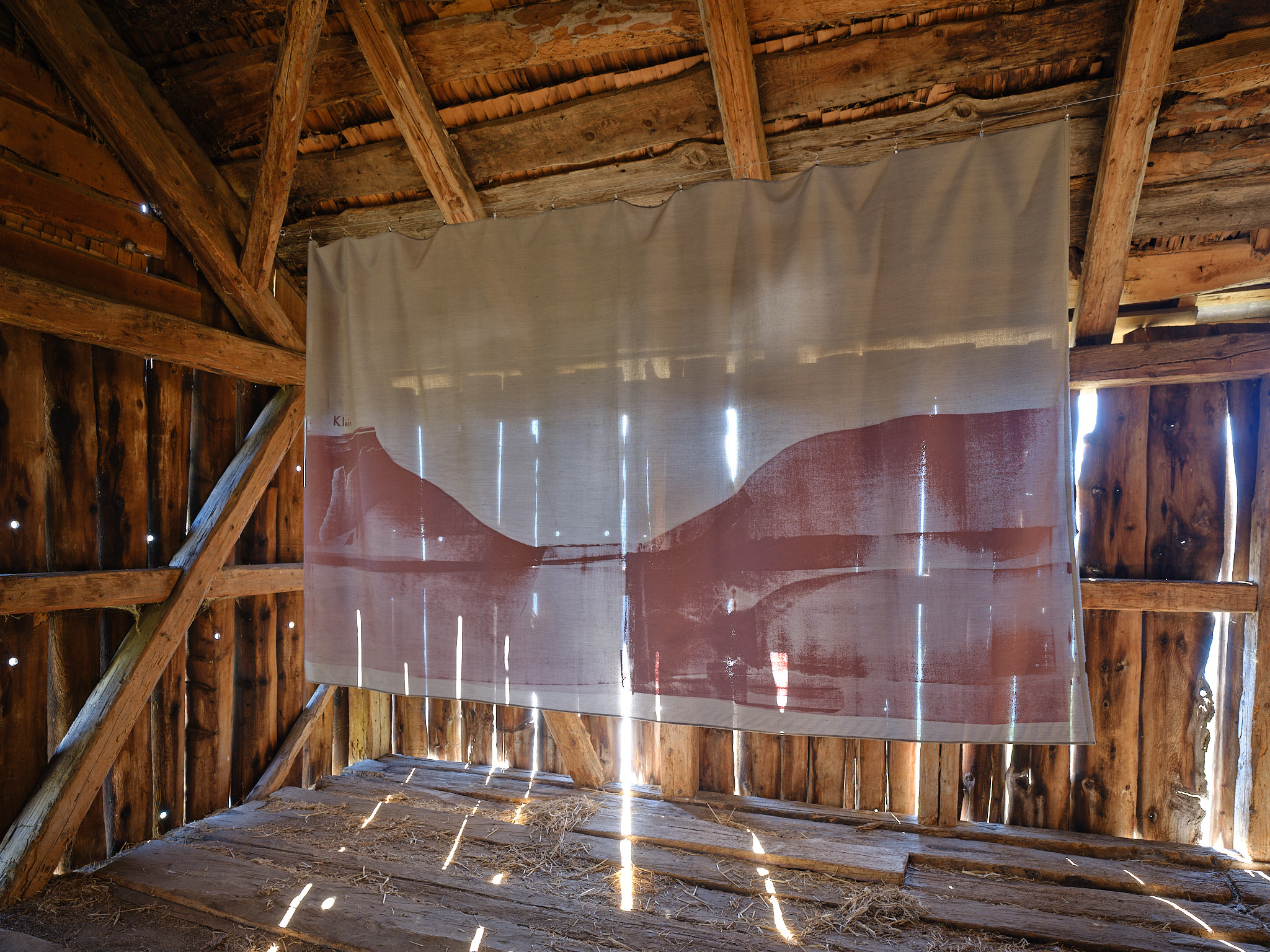
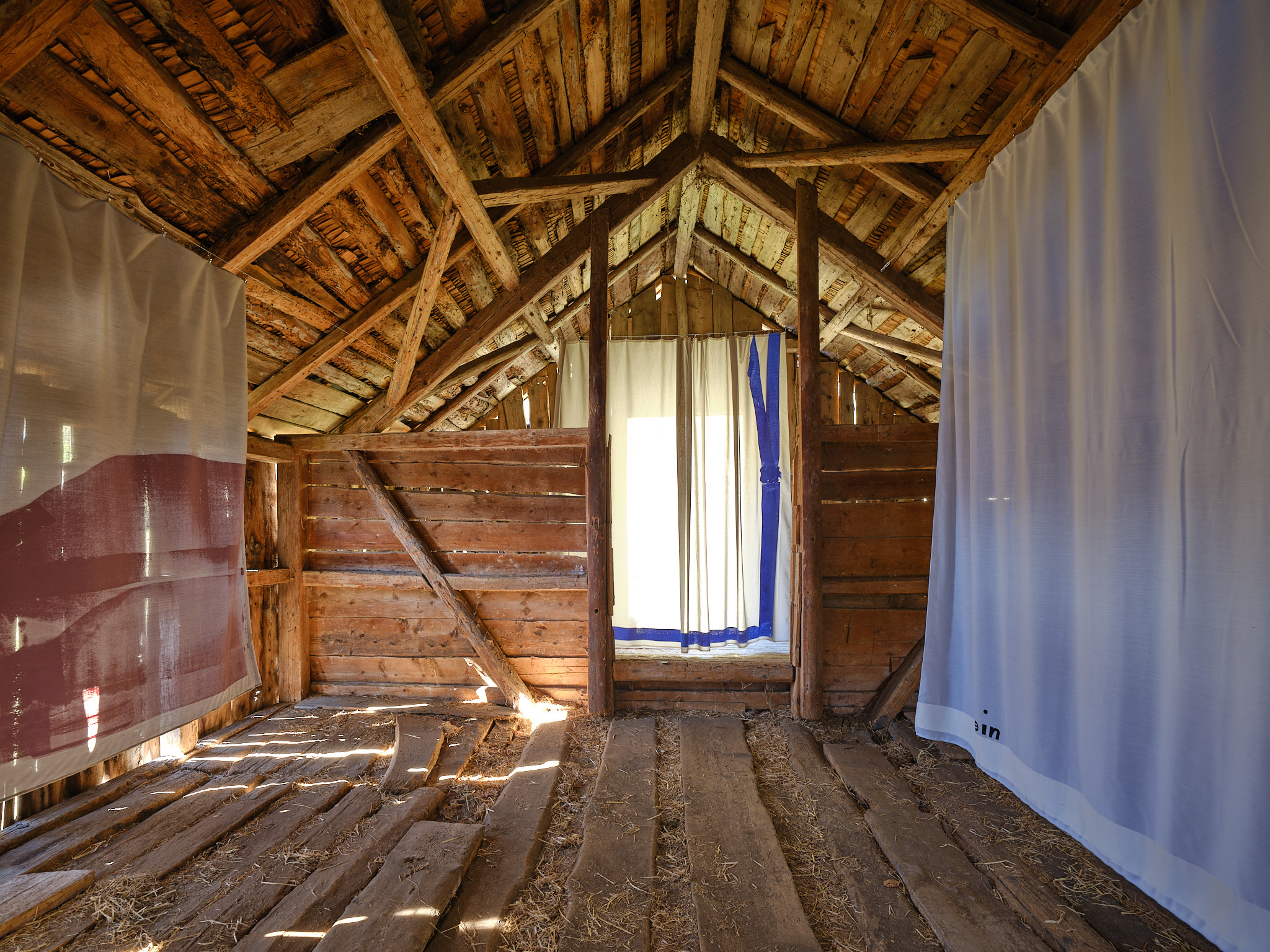
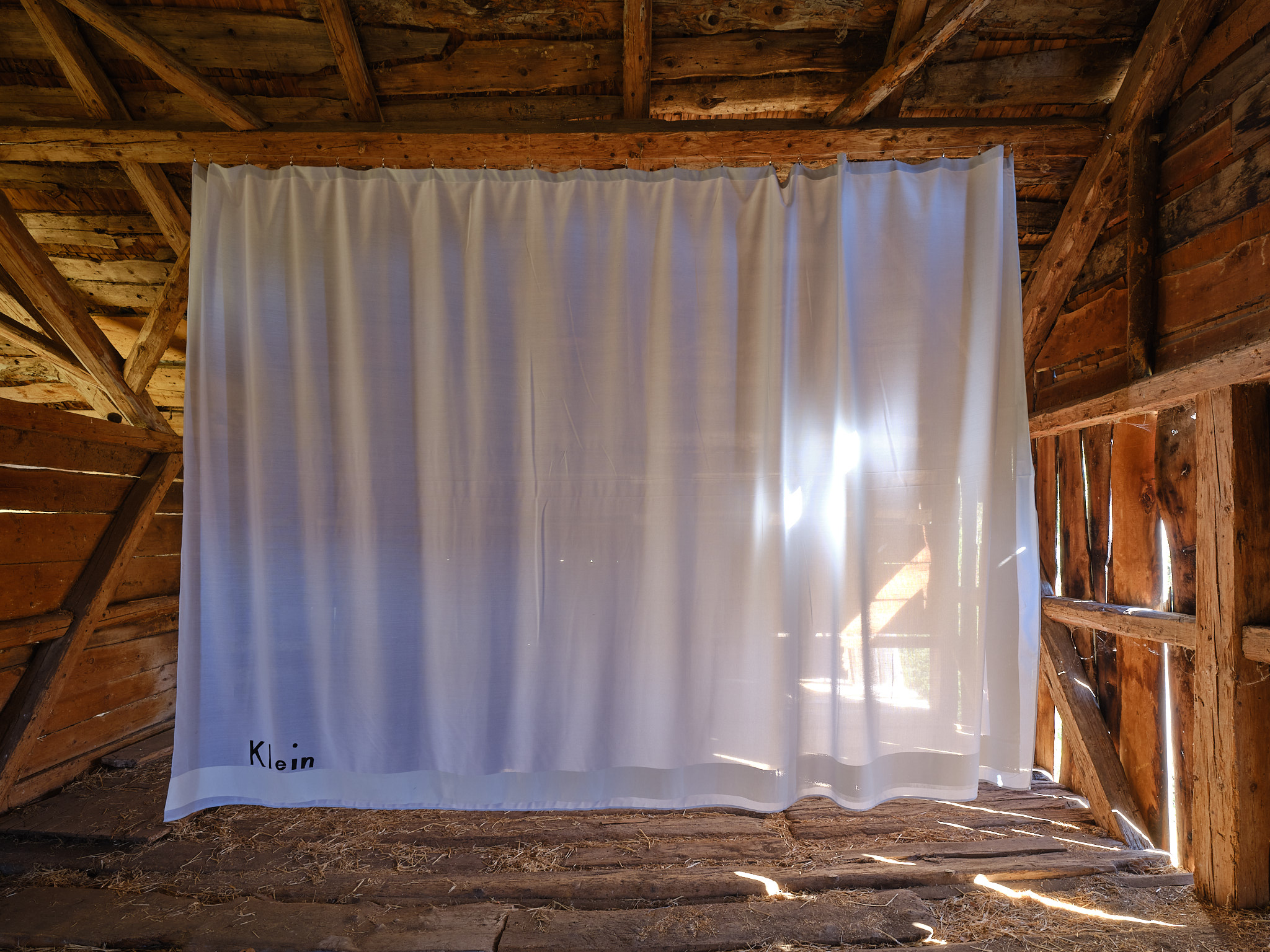
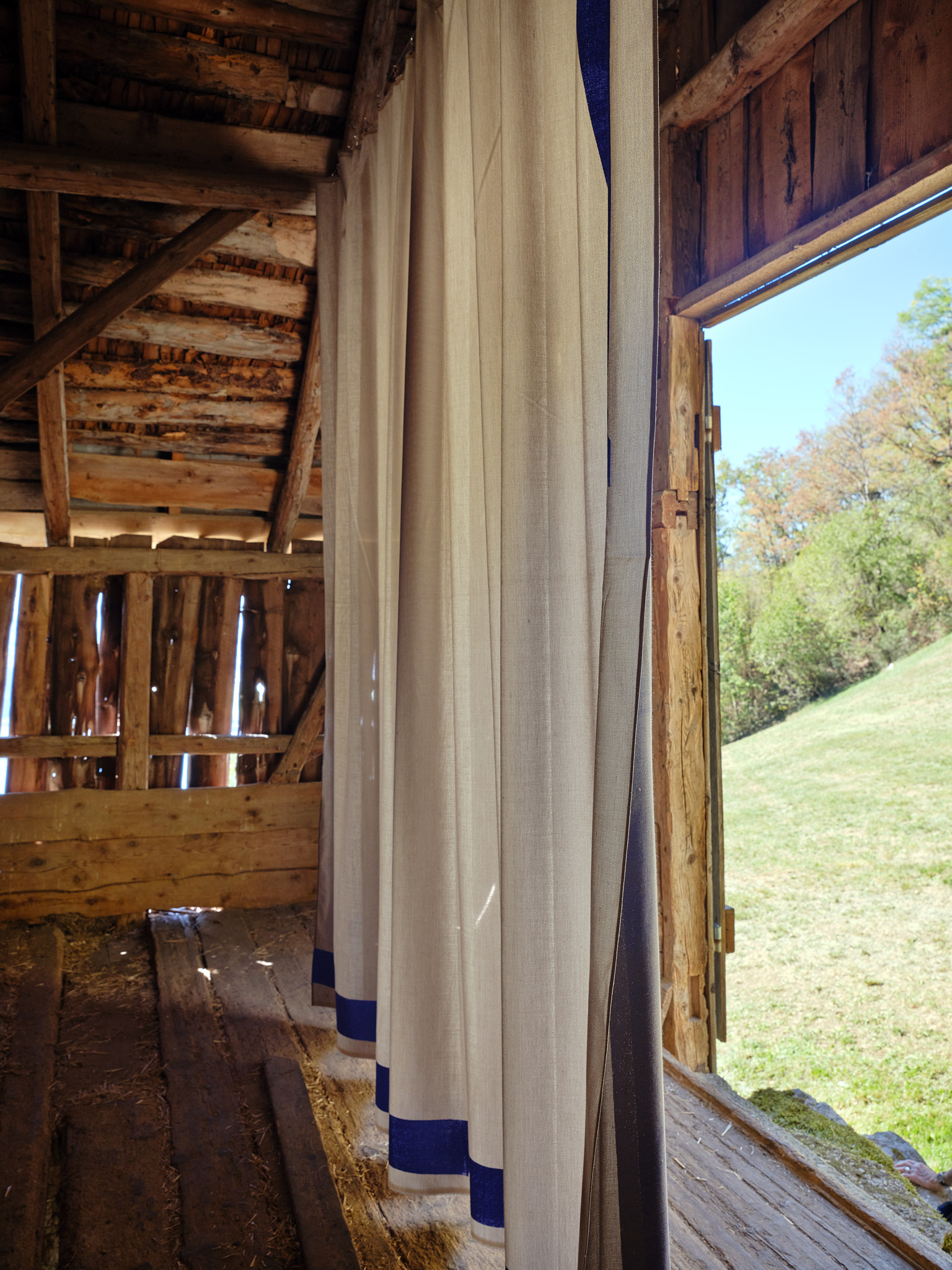
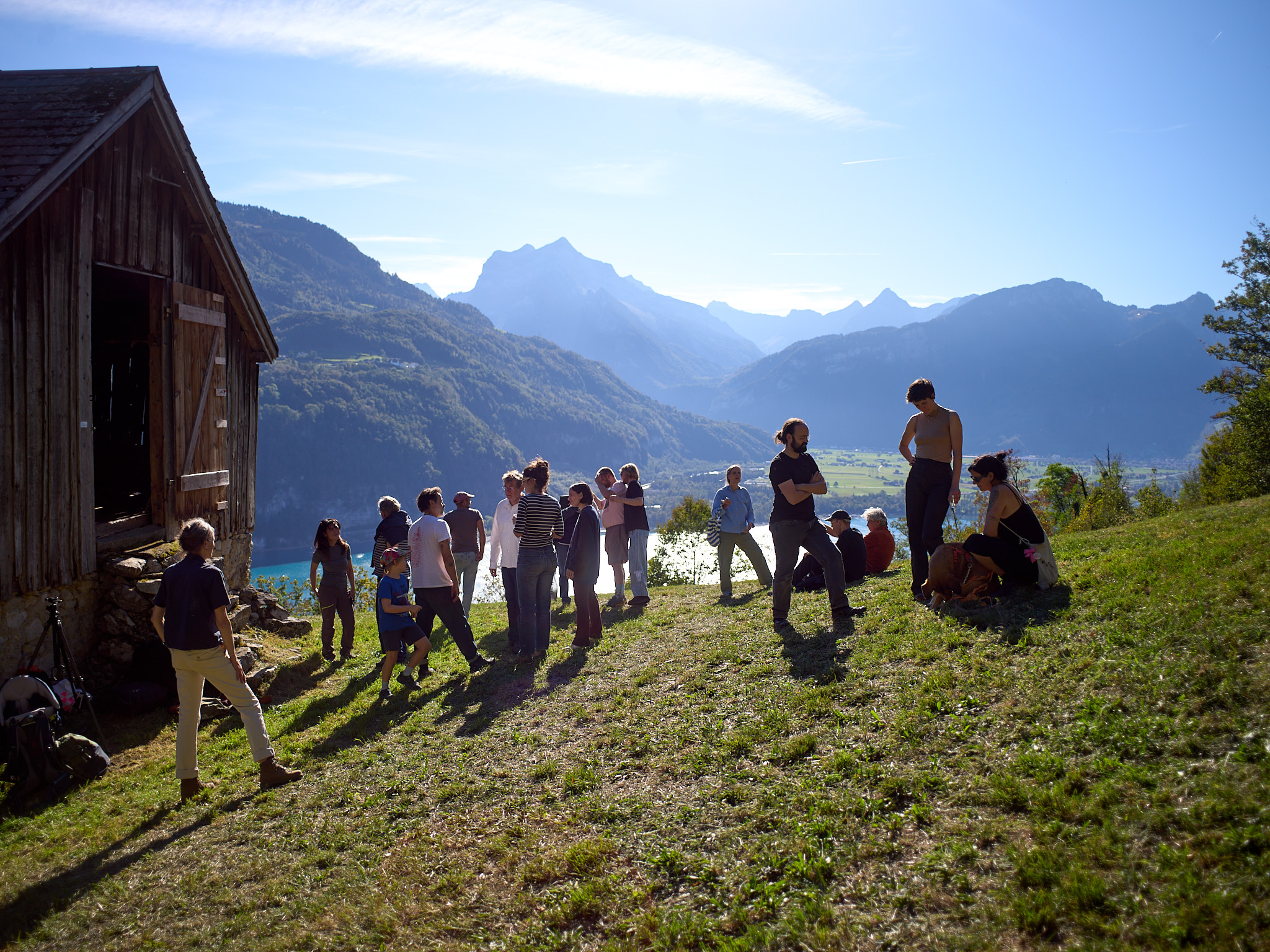
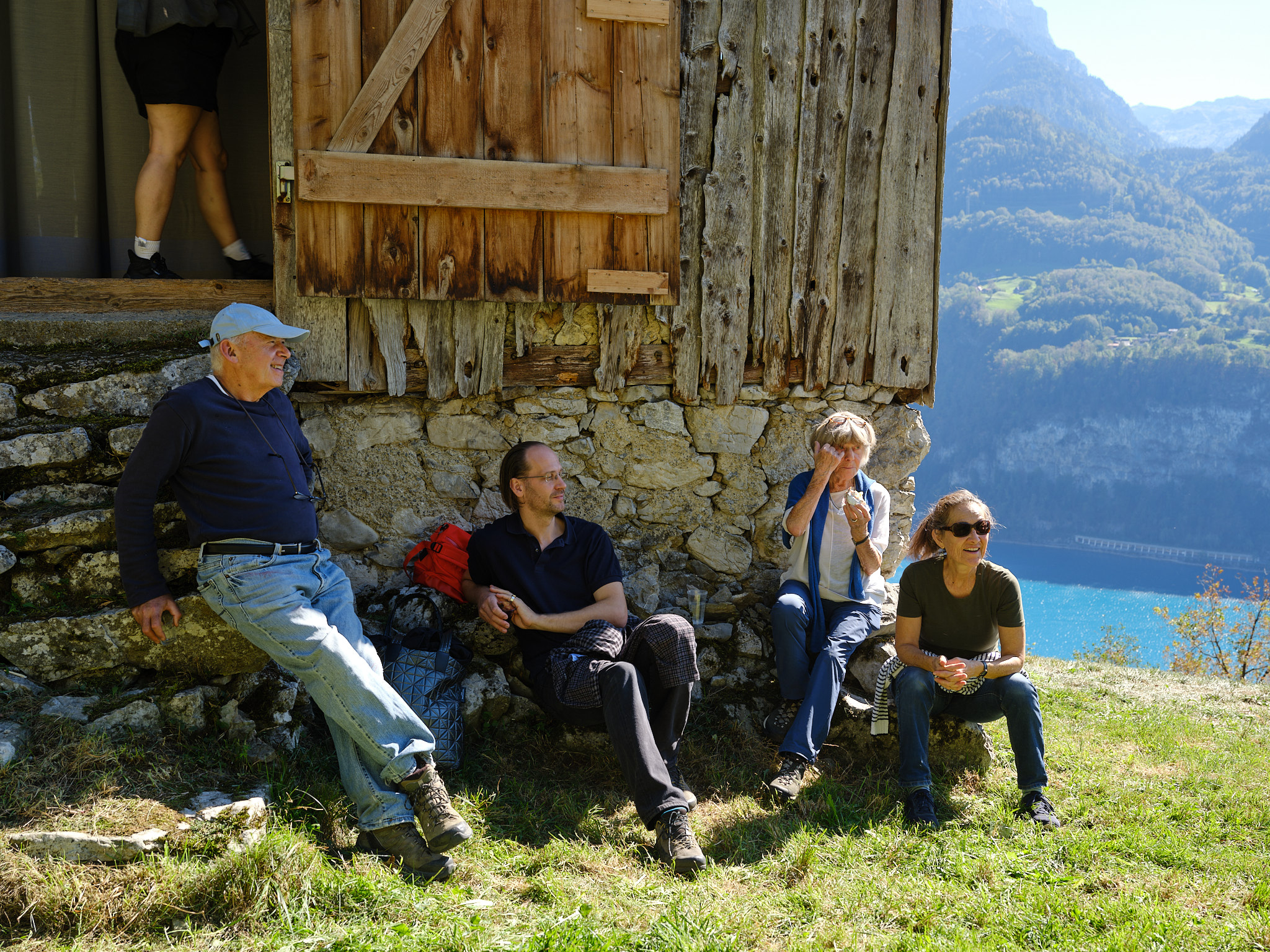
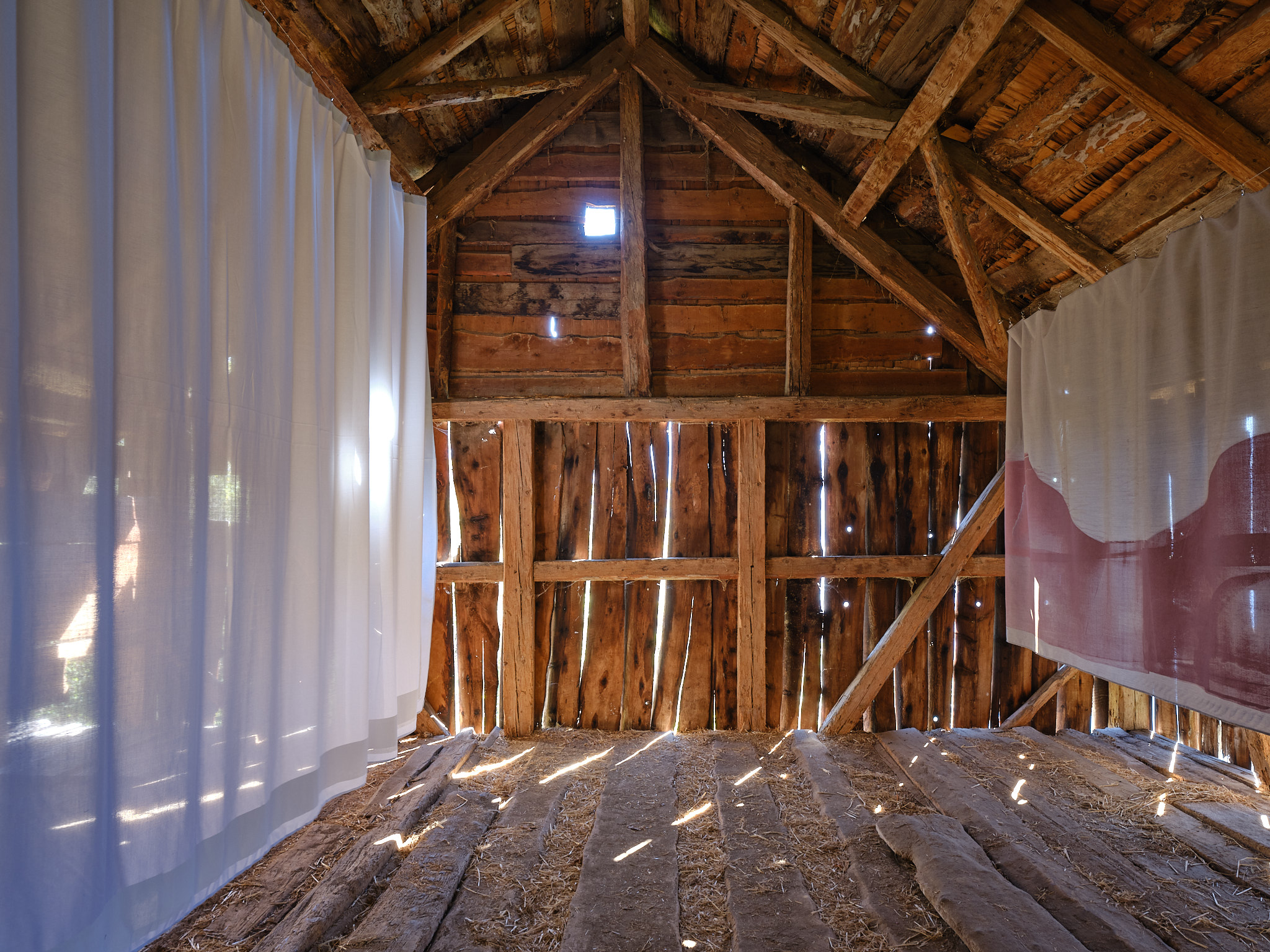
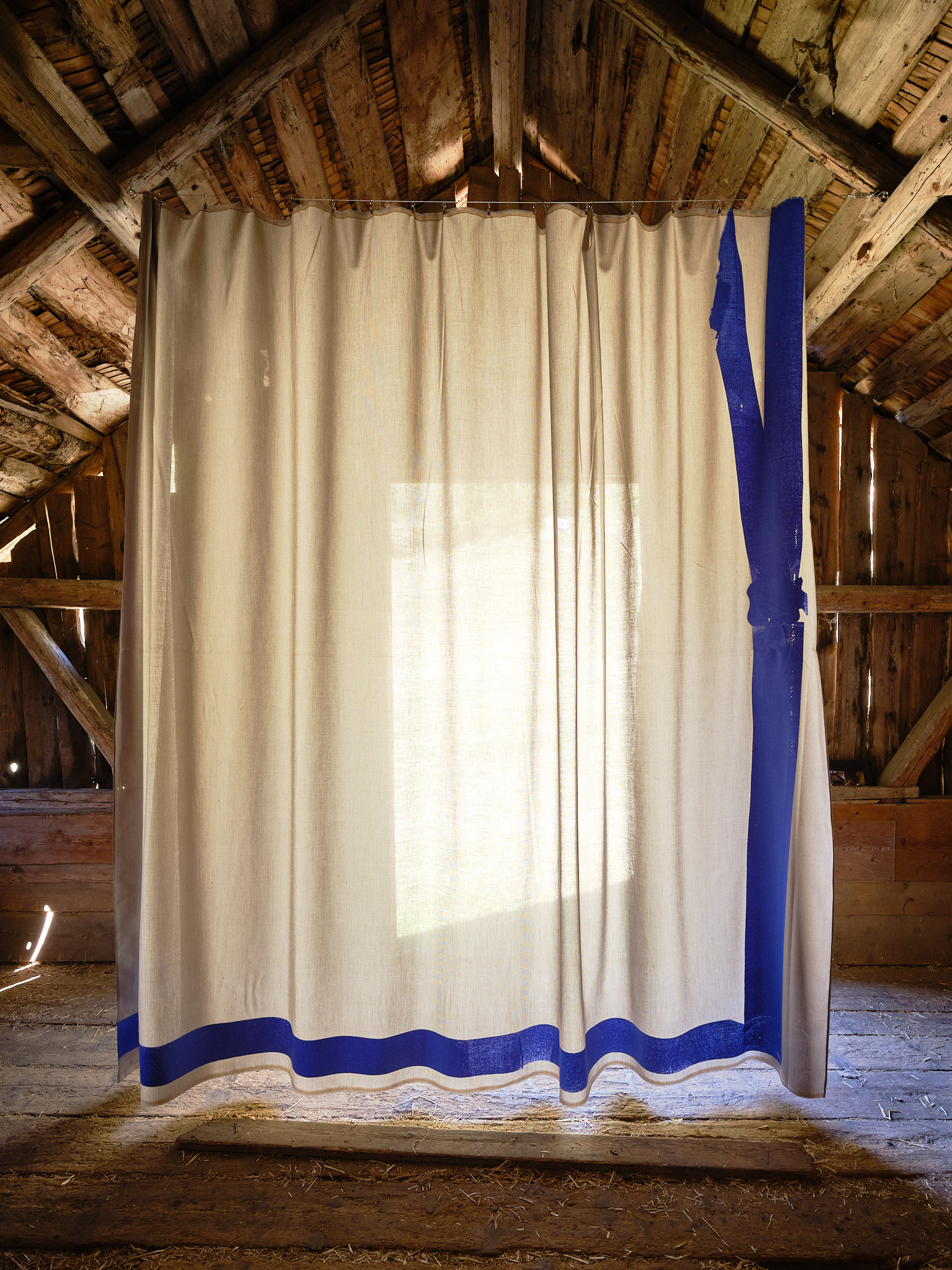
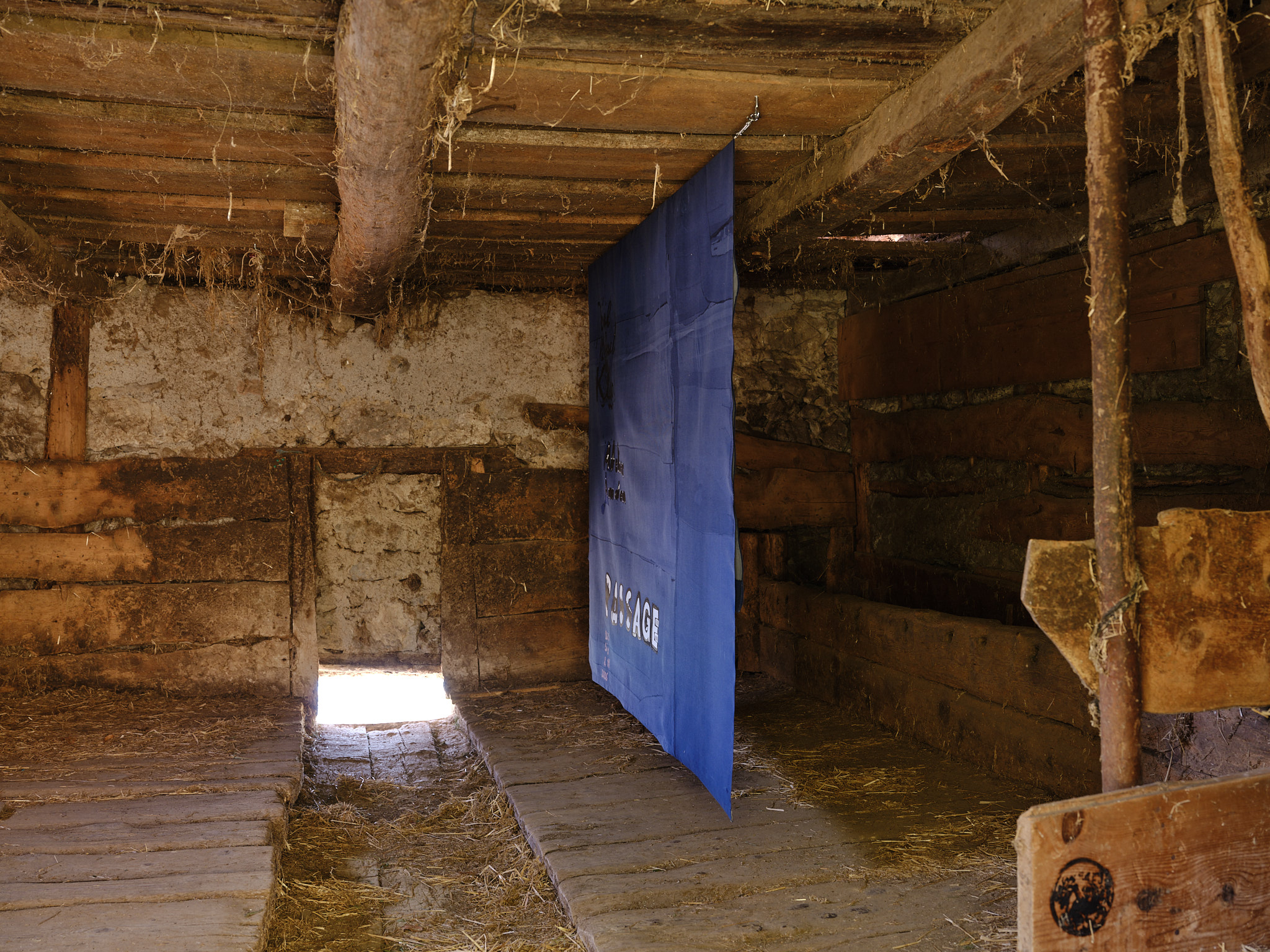
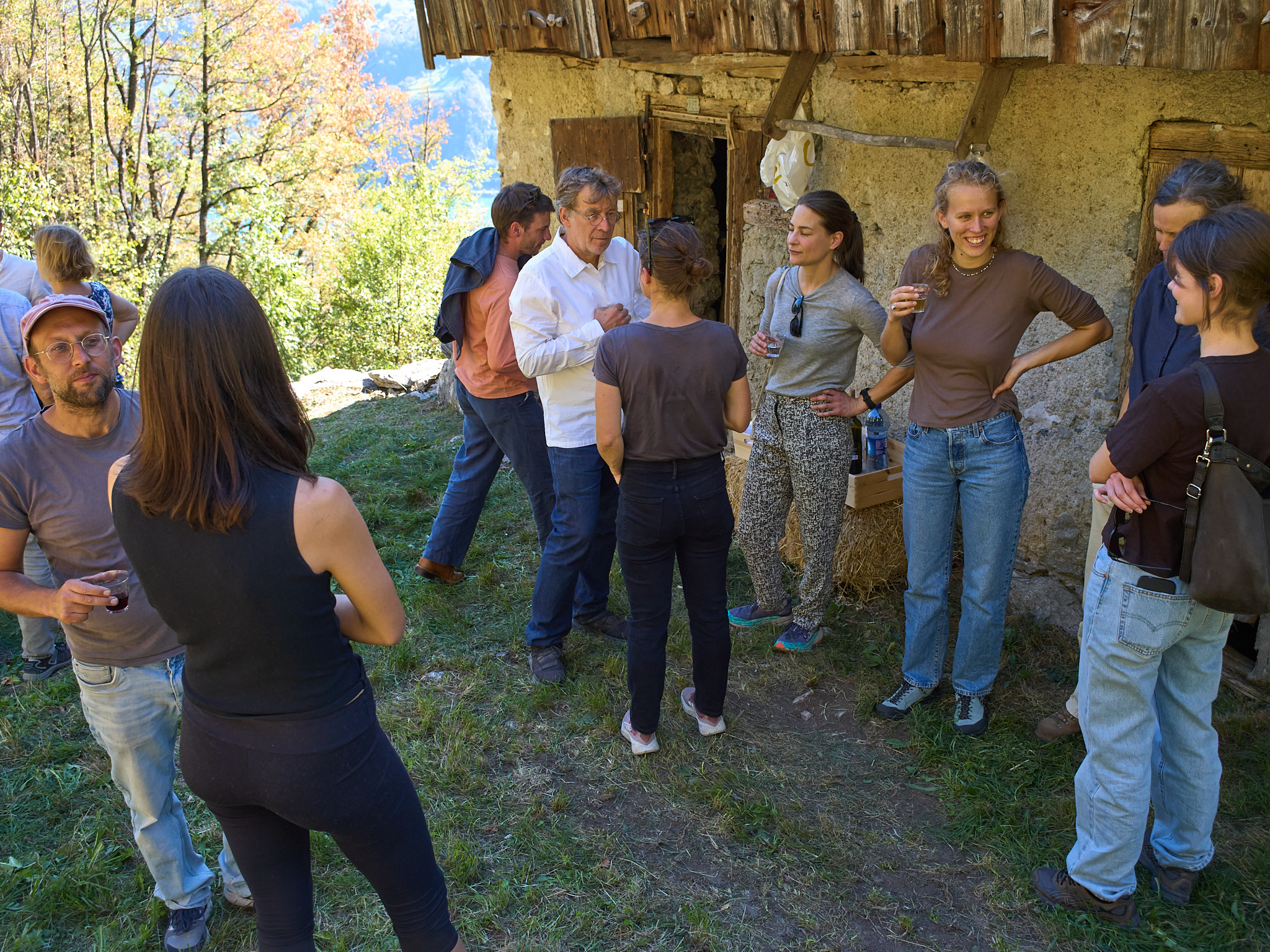
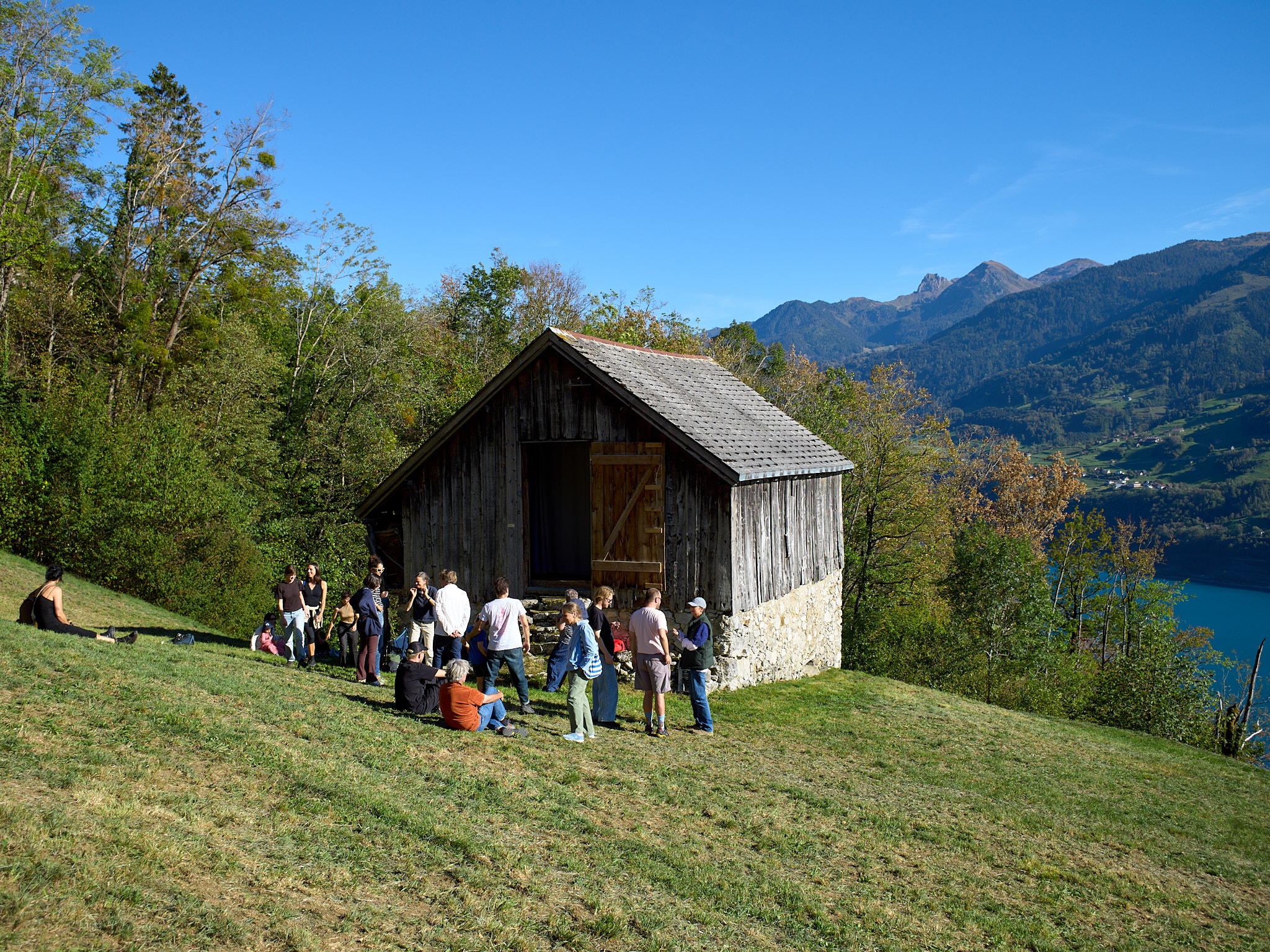
With Passage at the Amden Atelier, Emil Michael Klein presents textile works in a site-specific installation. In his work, which focuses on painting, the curtains embody an expanded, transmedial concept of the artwork. Central to these works is the depiction and multifaceted exploration of the artist’s signature, which in his textile pieces assumes the role of the figure and emerges as a logo. Executed as screen prints, rubbing prints, silhouettes, or hand-painted forms on a piece of fabric, the signatures are less reminiscent of an authorization of the work by the artist than of a brand logo from product design. Emil Michael Klein’s textile works can be exhibited on the wall like paintings. However, he usually displays the curtains in the exhibition space either attached to long metal rods stretched between the floor and ceiling with decorative holders he has designed himself, or hanging freely in the room as space-defining objects. For the first time, Klein has used transparent, high-quality fabrics designed for outdoor use in this exhibition.
Curtains were created over the past ten years for exhibitions of his paintings or for special occasions such as the exhibition Stop Painting at the Fondazione Prada in Venice in 2021, curated by Peter Fischli. This exhibition focused on the eventful history of painting since the late 19th century. A look at art history shows that artists have repeatedly reconfigured both the concept of the image itself and their own painting practice, aligning them with the discourses and sensibilities of their respective eras.
Historically, Emil Michael Klein’s paintings can be situated in the context of non-figurative post-painterly abstraction. While his paintings always appear as excerpts from an open, minimally structured, and unlimited energetic surface, the curtains emphasize the vertical in the room and express a physical presence. Klein is hardly concerned with mimetic representation and illusionistic image effects. He works on the concrete appearance and sensory evidence of the works. His works can be experienced as an artistic reflection of the aesthetic. The formal reduction and the simplest possible internal organization of the artwork are constants in his work. In his study Forms of the Visible: An Anthropology of Figuration (Berlin, 2023), French anthropologist Philippe Descola pointed out that in modernism, the pictorial space “became the actual subject of the work and did without any reference to an external reality.” Using the example of Piet Mondrian's painting, he explains in his account of the development of Western art since the Renaissance how Mondrian “stripped the depicted objects of their surface articulations and the false appearance of linear perspective,” “so that only the mental process triggered by the representation of a piece of the world is still perceptible on the canvas.” With abstraction, the illusionistic, perspectival representation of three-dimensional space as a two-dimensional image was abandoned. However, as Descola explains, what was not relinquished was the aspiration “to depict the very experience of description itself, the mental as well as the sensory process through which the world is perceived and rendered.”
Returning to Klein’s work with this observation in mind and looking closely at what in particular his curtains reveal, three main features stand out: alongside the abstract pictorial space, there is the absence of the human figure and, above all, the thematization of the signature as a pictorial figure, which runs consistently through his work to date. The experience and perception of these works in this disused yet still weather-exposed agricultural building in Amden will differ fundamentally from those in an institutional exhibition or a commercial gallery. Here, the transparent, screen-printed textile works are likely to be perceived less in terms of their specific artistic form and more as elements that structure the space, move in the wind, and change in response to the natural light entering the room.
–– Roman Kurzmeyer
 Read moreLess
 Next Exhibition